
Kitchen Renovation in Bend, Oregon
When I walk into a kitchen renovation, I’m not thinking about finishes first. I know that surprises people. Everyone wants to talk about stone, cabinet color, hardware, those are the fun parts. But I always start somewhere quieter: how the kitchen actually works.
Before:
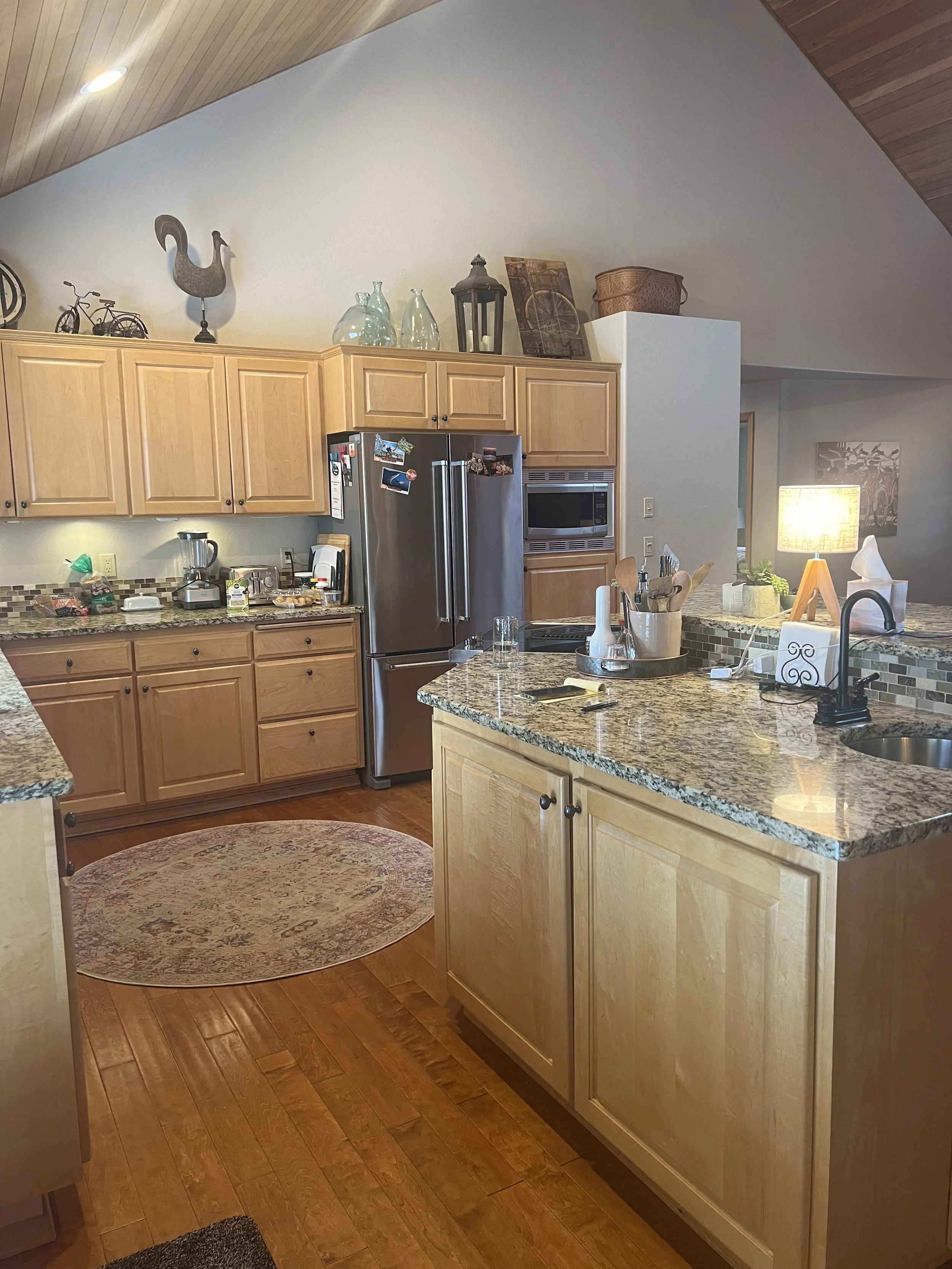
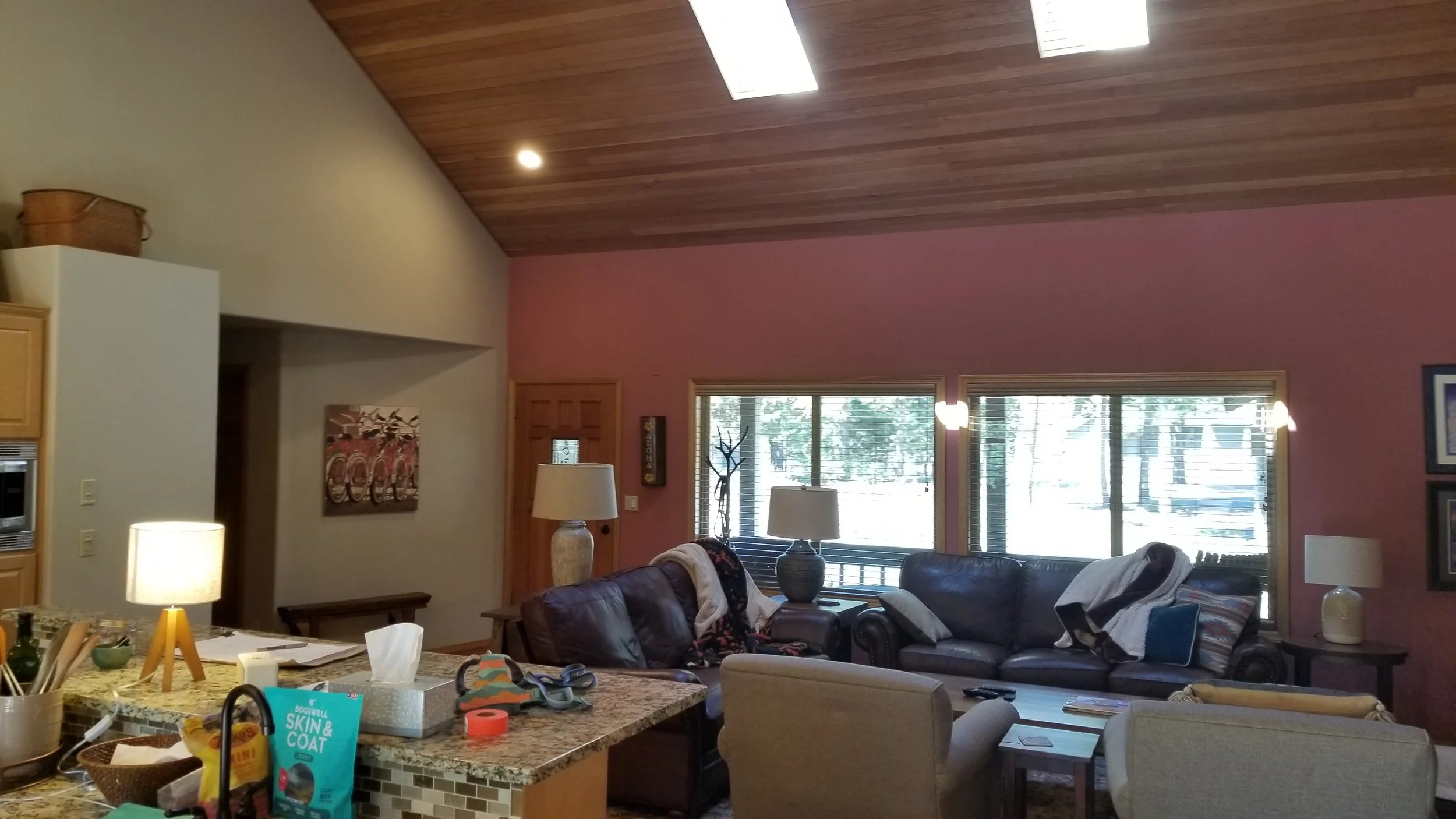
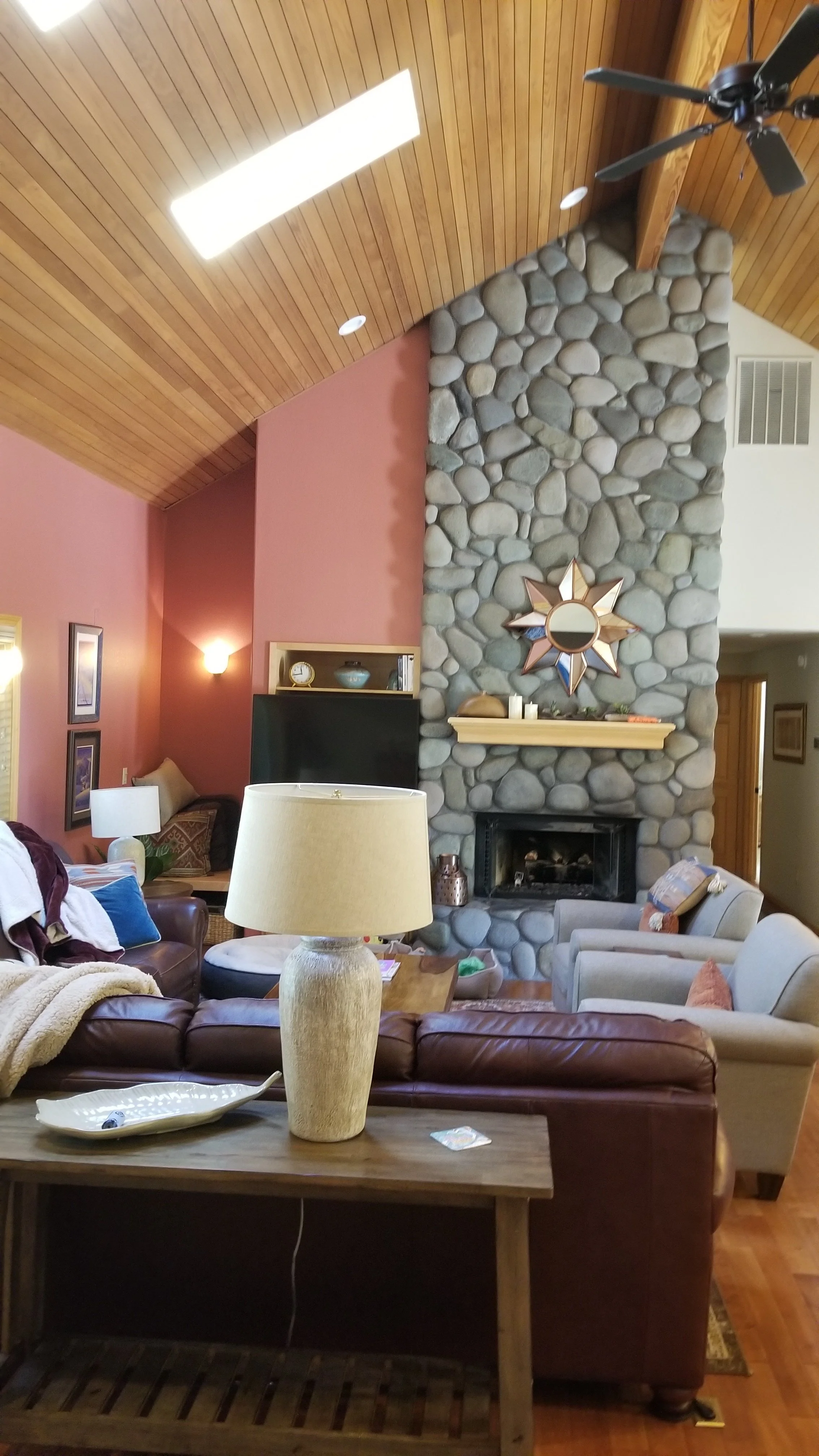
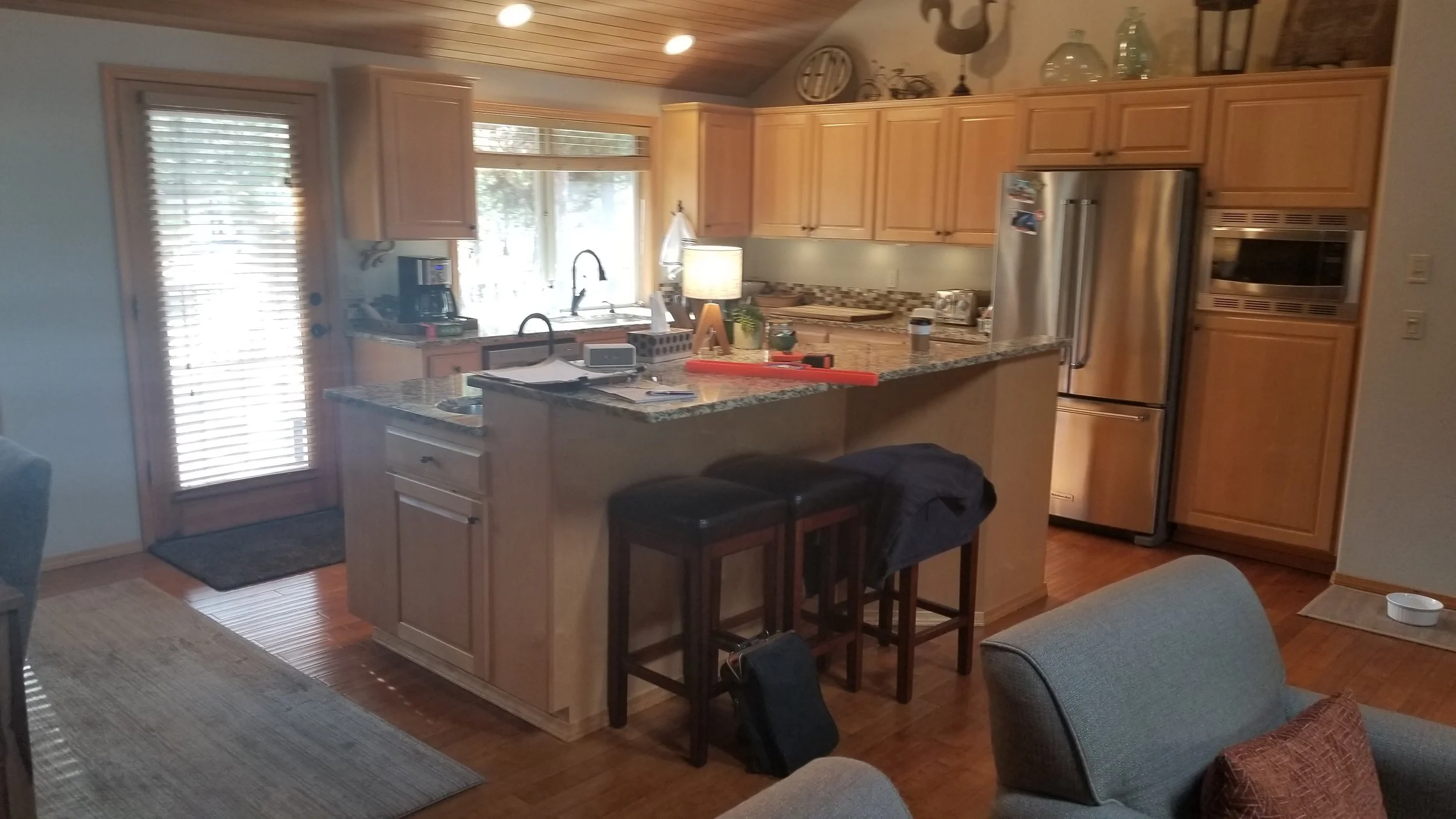
After:
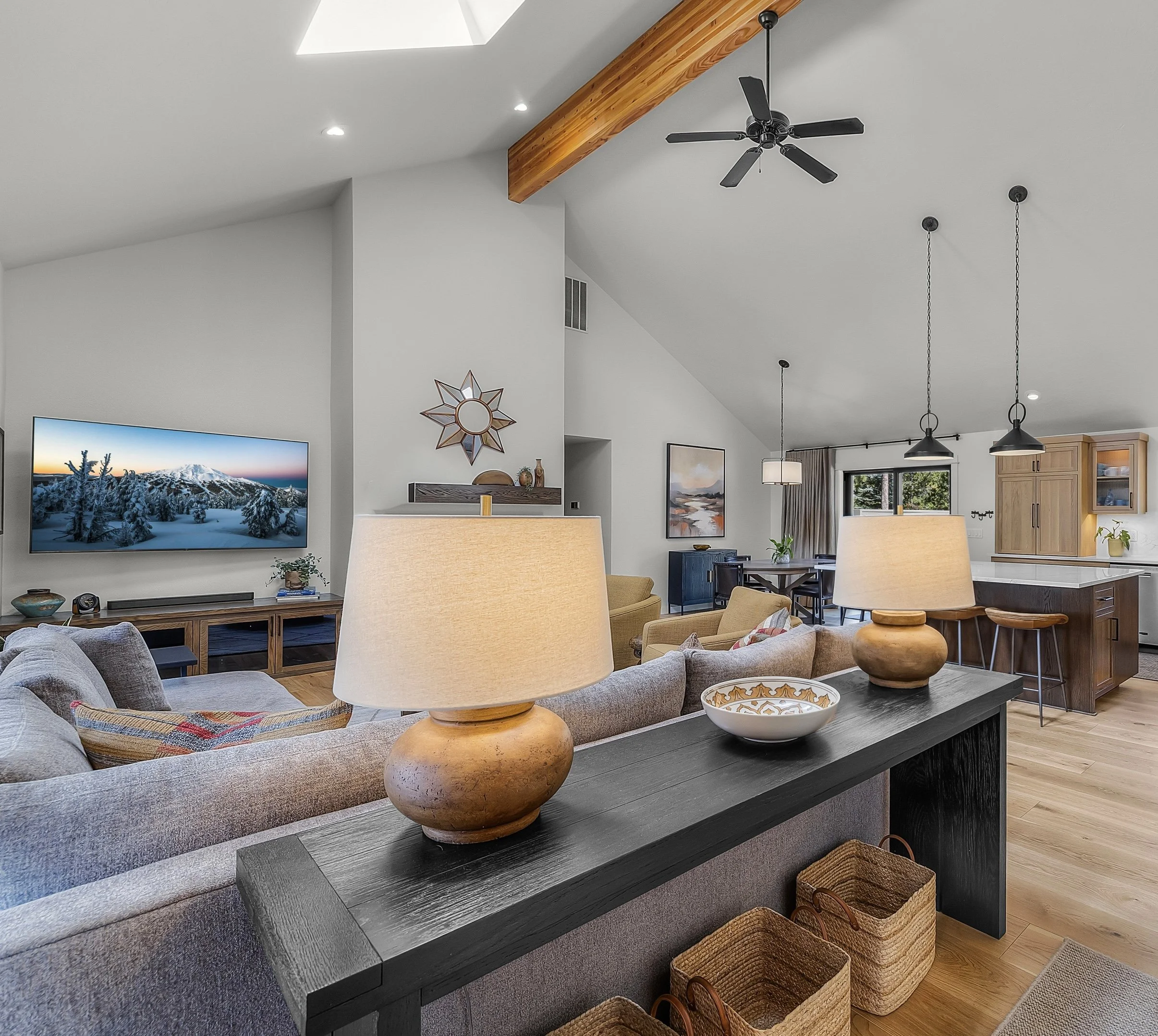
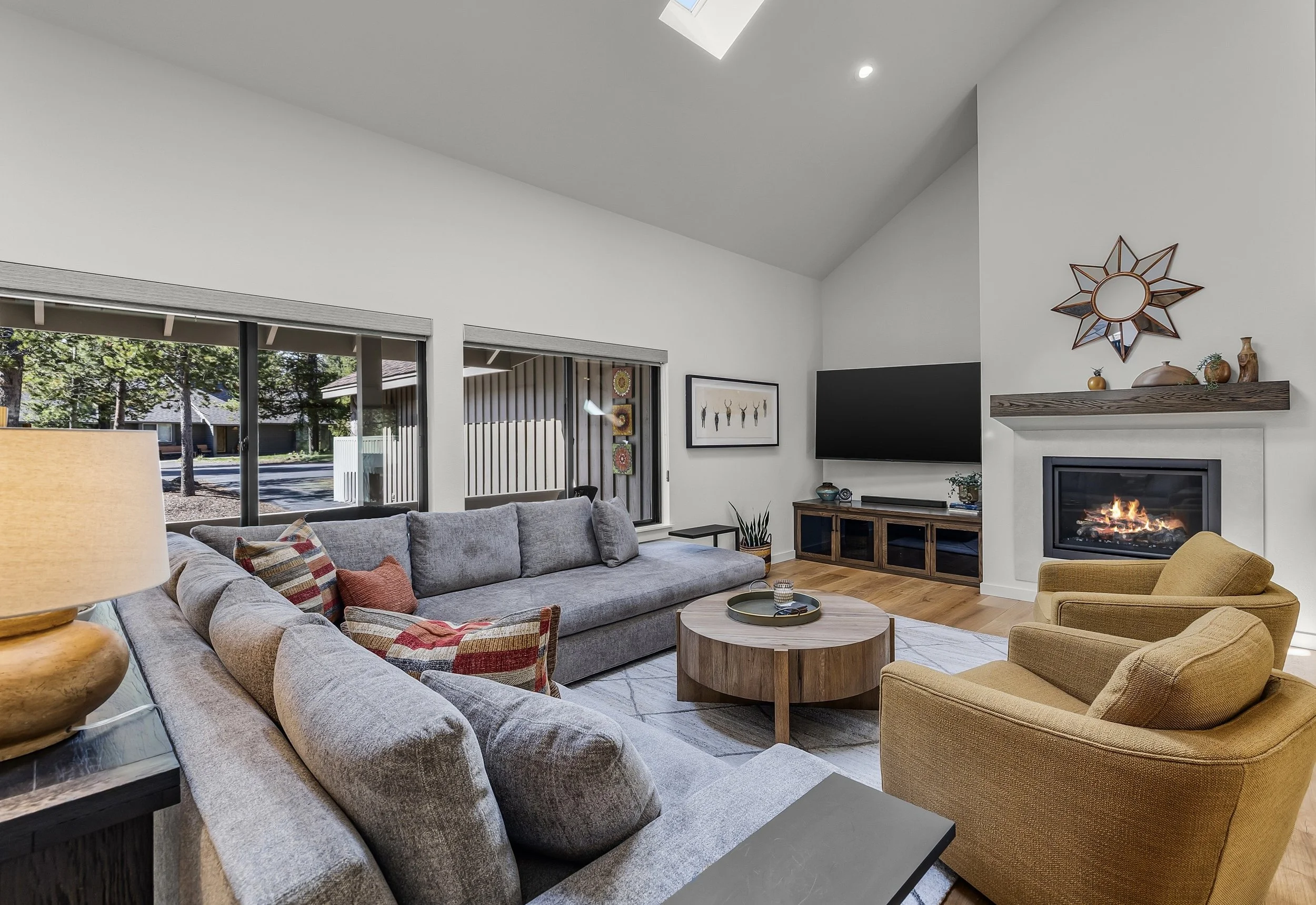
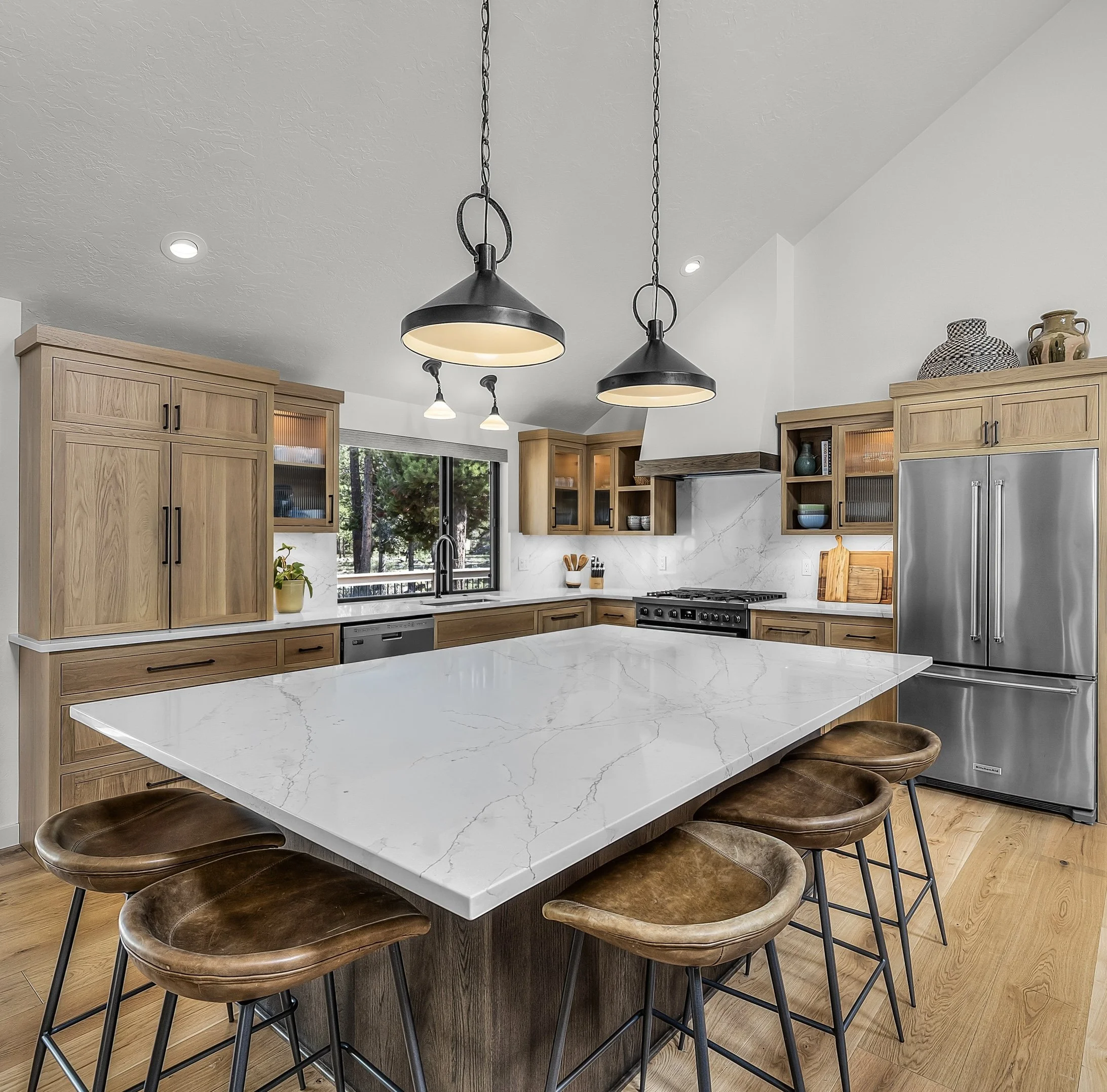
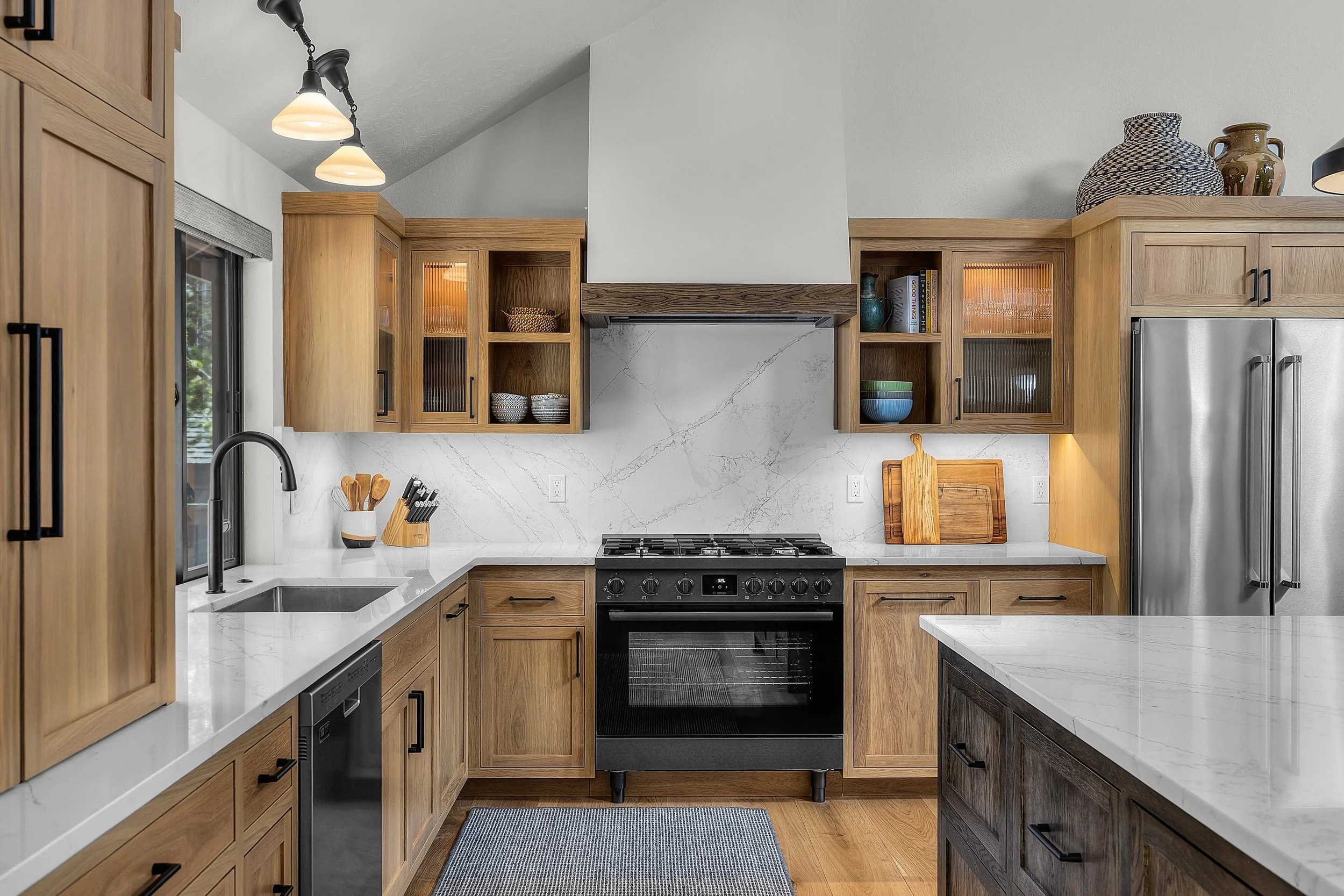
In Bend, kitchens tend to feel very lived in. They’re not just showpieces. They’re morning coffee spots, homework stations, wine-by-the-island spaces, and sometimes all of that in one day. So I always begin by watching movement.
I ask myself: what is the natural flow here?
Where do you enter the kitchen from?
Where does grocery drop-off happen?
Do people gather at the island or drift into the living space?
Before anything is designed, I sketch a rough circulation map. Not a perfect plan, just movement lines. I want to understand how many steps it takes to go from fridge to sink to prep zone. If something feels even slightly “awkward,” I already know it will bother someone later, even if they can’t explain why.
Then I move into what I think of as “quiet function.”
Storage is the first part of that. And I’ll say it plainly—I’m very loyal to deep drawers. Pots, pans, mixing bowls, even everyday dishes all belong in a place where you can see them at a glance. I don’t love bending into dark cabinets unless there’s a very good reason.
I also think about the small things that make a kitchen feel effortless:
Where do baking sheets live (without a domino effect every time you pull one out)?
Is there a landing space near the fridge for groceries?
Can two people move through the kitchen without negotiating space?
After storage, I consider appliances, but not in a flashy way. I’m thinking about proportion first. In Bend homes especially, I see a mix of newer builds and more organic, nature-driven architecture. A kitchen can feel “off” very quickly if appliances dominate the space instead of supporting it.
Once those decisions are grounded, I look at lighting placement. I don’t mean fixtures yet, I mean where the kitchen needs brightness. Task lighting over prep areas, softer light for evenings, and natural light enhancement where possible. Kitchens in Bend often have beautiful daylight, so I try not to fight it.
Only then do I move into materials.
This is where people usually want to start, but I find it works better when it comes last. Because at this point, the kitchen already has structure and intention. Now I can choose finishes that support that feeling—soft oak, warm stone, subtle texture, maybe a quiet green if the home asks for it.
I often say a good kitchen renovation isn’t about transformation for the sake of it. It’s about removing friction from daily life.
And when it’s done well, you don’t think about it anymore. You just live in it easily. That’s always the goal for me.